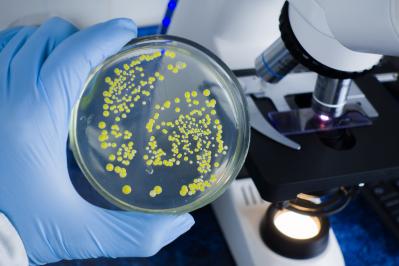
Microbiological analysis
VelaLabs offers analysis according to the European Pharmacopoeia such as sterility testing, examination of non-sterile products and endotoxin testing.
Meeting your needs is our priority!
Microbiological Analyses Overview
Pharmacopeial microbiological testing forms the backbone of quality control for pharmaceutical products. It ensures that finished products, raw materials, and intermediates comply with defined microbial limits and safety criteria. These methods are harmonized across Europe and are essential for regulatory approval and batch release.
Applications include testing of non-sterile pharmaceuticals, raw materials of biological or synthetic origin according to Ph. Eur. 2.6.12., and excipients susceptible to microbial contamination according to Ph. Eur. 2.6.13. Herbal products, oral dosage forms, and topical preparations are also routinely assessed under these guidelines.
Beyond compliance, these tests provide insight into process hygiene and contamination risks. Methods are standardized but allow product-specific adaptations, particularly when antimicrobial properties interfere with microbial recovery. Our laboratory ensures validated, pharmacopoeia-compliant execution combined with practical experience in method suitability testing.
Sterility Testing – Visit Our New Cleanroom
Sterility testing verifies the complete absence of viable microorganisms in products intended to be sterile. This is a critical release criterion for parenterals, ophthalmics, and other sterile dosage forms. The test is performed under strictly controlled aseptic conditions to avoid false-positive results.
Typical applications include injectable drugs, medical devices, cell-based therapies, and sterile filtration validation. Both membrane filtration and direct inoculation methods are applied depending on product characteristics.
- Microbiological membrane filtration or direct inoculation (Ph. Eur. 2.6.1, 5.1.9 and USP <71>)
Our newly established cleanroom facility provides a controlled environment compliant with current GMP expectations. It allows safe handling of high-value or sensitive samples while minimizing external contamination risks. Environmental monitoring and operator qualification are integral parts of the process, ensuring reliable and reproducible outcomes.
Endotoxin Testing
Endotoxins, derived from Gram-negative bacteria, can trigger severe immune responses even at low concentrations. Their detection is therefore essential for injectable and implantable products. Several methodologies are available, each suited to specific product types and regulatory expectations.
The Gel Clot method serves as a robust limit test, while kinetic turbidimetric assays provide quantitative results with higher sensitivity. Recombinant Factor C (rFC) methods offer an animal-free alternative with comparable performance.
- Endotoxin determination according to Ph. Eur. 2.6.14 (Method A, Limit Test) and USP 〈85〉 (gel-clot limit test)
- Bacterial endotoxin determination according to Ph. Eur. 2.6.32
Applications range from pharmaceutical products and medical devices to water systems such as WFI. Method selection depends on sample interference, required sensitivity, and regulatory strategy. Our laboratory supports method development, validation, and routine testing, ensuring reliable endotoxin control across diverse matrices.
Analysis of Non-Sterile Products (Bioburden)
Bioburden testing determines the total number of viable microorganisms present in a product prior to sterilization or as part of routine quality control for non-sterile products. It provides a quantitative measure of microbial contamination and supports process validation.
- Microbiological quality of non-sterile pharmaceutical preparations and substances for pharmaceutical use (Ph. Eur. 5.1.4)
- Microbiological examination of non-sterile products: microbial enumeration tests (Ph. Eur. 2.6.12 and USP 〈61〉)
- Microbiological examination of non-sterile products: Test for specified microorganisms (Ph. Eur. 2.6.13 and USP 〈62〉)
- Microbiological Examination of herbal medicinal products for oral use and extracts used in their preparation (Ph. Eur. 2.6.31)
- Microbiological quality of herbal medicinal products for oral use and extracts used in their preparation (Ph. Eur. 5.1.8)
Applications include monitoring of raw materials, intermediates, and finished non-sterile pharmaceuticals. It is also essential in validating sterilization processes and assessing microbial load in manufacturing environments.
The method requires careful handling of product-specific challenges, such as antimicrobial activity or low microbial recovery. Our approach integrates optimized sample preparation with validated enumeration techniques, ensuring accurate and reproducible results even for complex formulations.
Growth Promotion Test for Aseptic Process Simulation (APS)
Growth promotion testing in the context of aseptic process simulation ensures that culture media used in media fills can support microbial growth. This is crucial for demonstrating that the APS is capable of detecting contamination events.
Applications are closely linked to sterile manufacturing, particularly validation of aseptic filling lines and operator performance. The test confirms that even low levels of contamination would be detectable under simulation conditions.
- Microbiological examination of non-sterile products: Microbial enumeration testing (Ph. Eur. 2.6.12)
- Microbiological examination of non-sterile products: Testing for specified micro-organisms (Ph. Eur. 2.6.13)
Special attention is given to the selection of challenge organisms and incubation conditions. The outcome directly impacts the interpretation of APS results, making reliable execution essential for regulatory compliance and process validation.
Growth Promotion Test for Nutrient Media
Nutrient media must reliably support microbial growth to ensure the validity of microbiological tests. Growth promotion testing confirms that media perform as intended before routine use.
Growth promotion testing forms the basis for reliable sterility testing, environmental monitoring and bioburden analysis. Each batch of media is challenged with defined microorganisms to verify its growth-supporting properties.
- Microbiological examination of non-sterile products: Microbial enumeration testing (Ph. Eur. 2.6.12)
- Microbiological examination of non-sterile products: Testing for specified micro-organisms (Ph. Eur. 2.6.13)
Variability in media composition, storage conditions, and preparation can influence performance. Our laboratory evaluates these factors systematically, ensuring that all media used meet pharmacopeial requirements and provide consistent results.
Bioindicators
(USP – Spore Density and Inactivation)
Bioindicators are standardized preparations of highly resistant microorganisms, used to validate sterilization processes. Their defined resistance characteristics make them suitable for challenging sterilization conditions.
Applications include validation of steam, vaporized H2O2, dry heat and ethylene oxide inactivation. Determination of spore density and resistance (D-value) is essential for ensuring reliability.
- Bioindicator testing in the context of sterilizer testing and equipment (Ph. Eur. 5.1.2 and DIN EN 13060:2019-02)
Testing focuses on both enumeration and inactivation behavior under controlled conditions. This provides critical data for process validation and routine monitoring. Our services follow USP requirements, supporting both manufacturers and validation studies.
Water Analysis
(AP, WFI, Process Water)
Water used in pharmaceutical manufacturing must meet strict microbiological quality standards. Depending on its intended use, requirements differ significantly between Purified Water (AP), Water for Injection (WFI), and process water.
Applications include routine monitoring of water systems, validation of purification processes, and troubleshooting contamination events. Testing typically involves microbial enumeration and detection of specific organisms.
- Analysis of Aqua Purificata (Ph. Eur. 0008)
- Analysis of WFI (Ph. Eur. 0169)
Water systems are dynamic and prone to biofilm formation. Regular monitoring, combined with trend analysis, is essential for maintaining control. Our laboratory provides comprehensive testing aligned with pharmacopeial standards and GMP expectations.
Environmental Monitoring
(Cleanroom Qualification)
Environmental monitoring assesses the microbiological status of controlled environments, particularly cleanrooms used in pharmaceutical production. It ensures that environmental conditions remain within defined limits.
Applications include cleanroom qualification, routine monitoring during manufacturing, and investigation of contamination events. Air, surfaces, and personnel are all included in the monitoring program.
Beyond sampling, data interpretation plays a key role. Trends, deviations, and alert/action limits must be evaluated in context. Our services include both testing and documentation, supporting regulatory inspections and continuous process improvement.
Germ Identification
(16S, MALDI-TOF)
Identification of microorganisms provides critical information for contamination control and root cause analysis. Advanced methods allow rapid and precise identification at the species level.
16S rRNA sequencing offers high accuracy for bacterial identification, especially for unusual or slow-growing organisms. MALDI-TOF enables rapid routine identification based on protein fingerprinting.
Applications include environmental monitoring isolates, bioburden investigations, and sterility test incidents. The choice of method depends on required resolution and turnaround time. Our laboratory combines both technologies to ensure reliable identification across a wide range of microorganisms.
Additionally, VelaLabs provides analysis based on microbial methods like Gram staining, morphological description and metabolic characterization via catalase and oxidase testing.
FAQs
What is sterility testing used for?
Sterility testing verifies the absence of viable microorganisms in products that are required to be sterile. It is an essential quality control measure for pharmaceuticals, medical devices and other sterile products.
Why is a cleanroom required for sterility testing?
Sterility testing must be performed under strictly controlled aseptic conditions to prevent contamination during sample handling. A qualified cleanroom environment helps ensure reliable and compliant test results. VelaLabs has its cleanroom since 2021.
Find out more about why our cleanroom is so important for sterility testing and how the clean room was built in the news posts!
Why are endotoxin tests performed?
Endotoxin tests detect bacterial endotoxins that may cause severe immune reactions in patients. They are particularly important for injectable drugs, medical devices and pharmaceutical water systems.
Which endotoxin test methods are commonly used?
Depending on the application, endotoxins can be detected using Gel Clot, kinetic methods or recombinant Factor C (rFC)-based assays. Method selection depends on sensitivity requirements and product characteristics.
Which products require bioburden testing?
Bioburden testing is commonly performed on raw materials, intermediates, medical devices and non-sterile pharmaceutical products.
Why is growth promotion testing required for APS?
Growth promotion testing demonstrates that the culture media used during aseptic process simulations can support microbial growth. This confirms that potential contamination events would be detected during the simulation.
The test is typically carried out before or alongside media fill studies to verify the suitability of the selected nutrient media.
What is the purpose of a growth promotion test?
A growth promotion test confirms that a culture medium is capable of supporting the growth of specified microorganisms. It is required to demonstrate the suitability of media used in microbiological testing.
Which microorganisms are used for growth promotion testing?
Defined challenge organisms specified by pharmacopeial guidelines are used to verify the performance of each media batch.
What are bioindicators used for?
Bioindicators are standardized preparations containing resistant bacterial spores used to validate sterilization processes. They provide direct evidence that a sterilization procedure is effective. Testing includes determination of spore population and assessment of resistance characteristics, such as inactivation behavior under defined sterilization conditions.
Why is microbiological water analysis important?
Water is a critical raw material in pharmaceutical manufacturing and must meet defined microbiological quality standards. Routine monitoring helps ensure product safety and process reliability.
Which water types can be analyzed?
Testing can be performed for Purified Water (PW/AP), Water for Injection (WFI) and various process water systems used in manufacturing environments.
What is environmental monitoring?
Environmental monitoring evaluates the microbiological quality of controlled production areas. Air, surfaces and personnel are routinely assessed to verify compliance with cleanroom requirements.
Why is cleanroom qualification necessary?
Cleanroom qualification demonstrates that a facility consistently operates within predefined cleanliness limits. It is a key requirement for GMP-compliant manufacturing processes.
Why is microorganism identification performed?
Microorganism identification helps determine the source of contamination and supports root cause investigations. It is an important tool in environmental monitoring and quality control programs.
Which identification methods are available?
Intern available identification analyses are morphological analyses and gram staining. MALDI-TOF analysis can be conducted in a partner laboratory.